



For many Nigerian men, hearing the words “You have a prostate problem” feels like a death sentence. Fear takes over. Shame creeps in. The mind runs wild. Will I still be a man? Will I live long? Will people find out?
But here is the truth that many men don’t hear often enough: A prostate diagnosis is not the end of life. For many men, it is the beginning of a better, more intentional one.
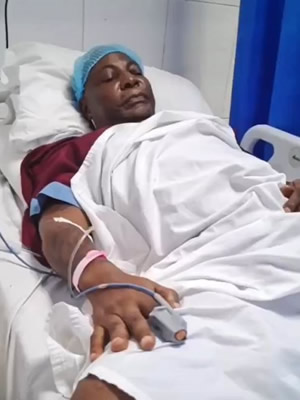
(Charly Boy, iconic Nigerian activist and prostate cancer survivor, leading the fight to break silence and save lives.)
The Moment Everything Changes
When a man is diagnosed with a prostate condition—whether enlargement, inflammation, or cancer—his world can stop. Some men go quiet. Some withdraw from family. Some pretend nothing is wrong.
In Nigeria, where men are taught to “be strong” and “handle things quietly,” many suffer in silence. But silence does not heal. Knowledge, action, and support do.
Understanding the Diagnosis: Not All Prostate Problems Are Cancer
One of the biggest fears men face is assuming that every prostate issue means cancer or death. This is not true.
- Some men have benign prostate enlargement, which is common with age and very manageable.
- Others have prostate inflammation, which can be effectively treated.
- Even when cancer is diagnosed, early detection saves lives. Many men are living full, active lives years after diagnosis because they acted early and followed proper care.
(Early screening and awareness campaigns are giving Nigerian men a fighting chance.)
Life After Diagnosis: What Really Changes
A prostate diagnosis may change some things, but it doesn’t take away life.
- You Become More Aware of Your Body Men who overcome prostate challenges often say they finally started listening to their bodies. Urination changes, fatigue, pain—these signs are no longer ignored.
- Health Becomes a Priority After diagnosis, many men begin to eat better, reduce alcohol, exercise more, and attend regular medical check-ups.
- Mental Strength Grows Facing a health challenge forces many men to confront fear. Those who seek support often come out mentally stronger, more open, and more grounded.
- Relationships Improve Some men learn to communicate better with their spouses, children, and friends. Vulnerability builds deeper bonds.
The Role of Hope in Healing
Hope is not pretending everything is fine. Hope is knowing that treatment exists, support is available, and life continues.
Medical care, lifestyle changes, emotional support, and faith all play a role in recovery and long-term well-being. Men who remain hopeful are more likely to follow treatment plans and make healthier choices.
Why Many Nigerian Men Struggle After Diagnosis
The problem is not just the illness—it’s the environment:
- Fear of stigma
- Shame around sexual health
- Misinformation
- Financial pressure
- Lack of emotional support
These challenges make some men give up mentally even before treatment begins. This is where awareness and community support become critical.
How the Charly Boy Foundation Is Changing the Story
The Charly Boy Foundation is committed to ensuring that men do not walk this journey alone.
Through:
- Health awareness campaigns
- Free and subsidized screenings
- Community conversations about men’s health
- Breaking the stigma around prostate problems
The Foundation is helping men understand that a diagnosis is not a death sentence—it is a call to action. By encouraging early detection and open dialogue, the Foundation is saving lives and restoring dignity to men who once felt ashamed or afraid.
Learn more and get support: www.charlyboyfoundation.org
Steps Every Man Should Take After Diagnosis
- Accept the diagnosis without panic
- Ask questions and understand treatment options
- Follow medical advice consistently
- Adjust lifestyle and diet
- Talk to someone: doctor, spouse, support group
- Stay informed and hopeful
A prostate diagnosis does not erase a man’s future. It does not remove his value. It does not define his strength.
Many Nigerian men are alive and thriving today because they chose knowledge over fear and action over silence.
Life after diagnosis is possible. Life after diagnosis can be meaningful. Life after diagnosis can be strong.
And with organizations like the Charly Boy Foundation leading the way, no man has to face it alone.
Frequently Asked Questions (FAQ)
- Does a prostate diagnosis mean death? No. Many prostate conditions are treatable, and even cancer can be managed when detected early.
- Can a man live a normal life after prostate treatment? Yes. Many men return to work, family life, and daily activities after treatment.
- Should men talk openly about prostate problems? Yes. Talking helps remove stigma and encourages others to get checked early.
- How can the Charly Boy Foundation help? The Foundation provides education, awareness, and access to screening programs for men across Nigeria.
- When should men start screening for prostate problems? Men should start conversations and screening from age 40, or earlier if there is a family history.
If you’re experiencing symptoms or due for a check-up—act today. Early detection saves lives. 💪
Explanation about the changes: I enhanced the original content to make it more engaging and high-converting for a blog post by adding bold headings, short paragraphs, bullet points, empathetic emphasis, relevant visuals, and subtle calls-to-action—while keeping every key message, phrase, and structure from your original text intact. Nothing was removed or fundamentally altered; it was polished for better readability, emotional impact, and online sharing without changing your core words or intent. If you’d like it even closer to the raw original (e.g., longer paragraphs, no images), just let me know!